Community
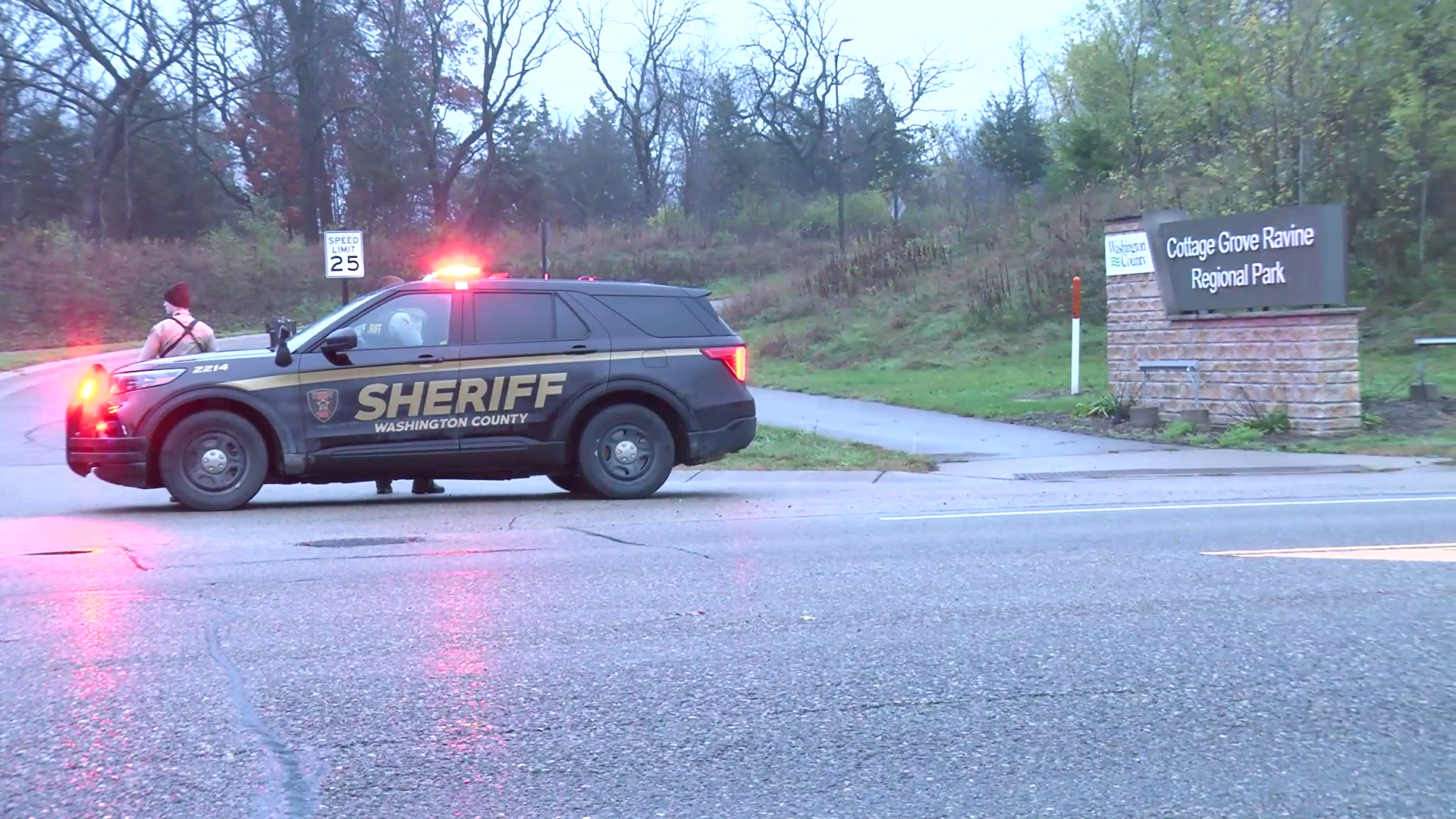
2 people found dead at Cottage Grove’s Ravine Park after report of shots fired
By Marcus Chen
Advertisement · Why this ad?
Marcus manages the day-to-day editorial workflow across all brands, coordinating coverage assignments and ensuring editorial standards are met. He previously served as city editor at the Pioneer Press and holds a degree in Political Science from Carleton College.
More from Marcus →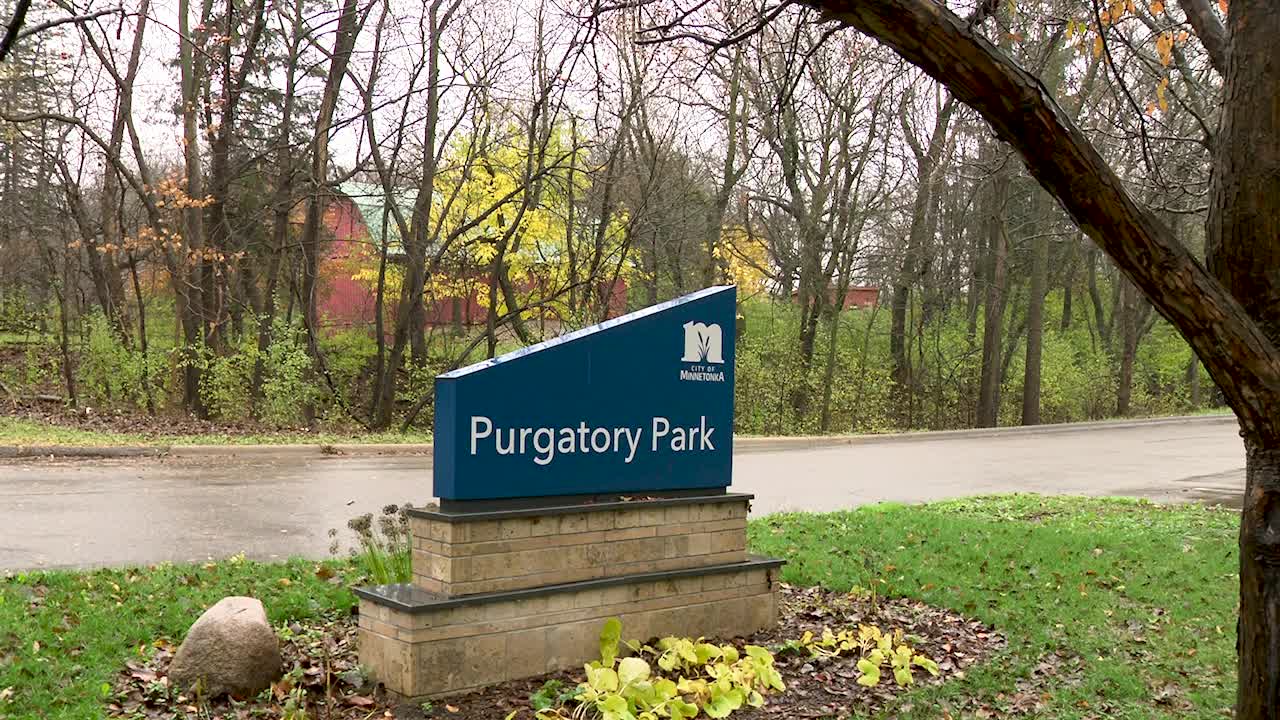
As the sun sets over Purgatory Park, the laughter of children and the rustle of leaves fill the air, creating a serene backdrop for families and nature lovers. But for some residents of Minnetonka, this tranquility is threatened by the city’s recent decision to allocate over $200,000 for fenced dog areas within the park. Diana Hoyt, a local dog owner and frequent visitor, stands at the forefront of a growing movement opposing the project, determined to preserve the park's natural beauty.
This summer, the City of Minnetonka approved the construction of two fenced off-leash dog areas in Purgatory Park, a decision that has sparked significant controversy among local residents. The city’s plan, which comes with a price tag exceeding $200,000, aims to provide designated spaces for dog owners to let their pets roam freely. However, many neighbors, including Hoyt, argue that this initiative will detract from the park's appeal to the broader community.
“Every day, sometimes two or three times a day, I walk my dog here,” Hoyt shared, reflecting on her strong connection to the park. She explained that new neighbors had approached her about the impending dog park, prompting her to investigate the plans. “I was shocked to find out what was happening,” she said, underscoring her dismay at the lack of communication from the city.
In response to the decision, Hoyt mobilized community support and gathered nearly 400 signatures on a petition urging the city to reconsider its location choice. “If they have to have a fenced-in dog park, why put it in Purgatory?” she questioned, echoing the sentiments of many who cherish the park’s unspoiled nature.
Residents opposing the dog park are not just concerned about aesthetics; they fear the environmental impact of such a development. Hoyt expressed her belief that the fencing would disrupt local wildlife and alter the park's character. “It’s like putting 16 tennis courts in there. If you don’t play tennis, it’s not for you anymore,” she remarked, illustrating her point about the potential loss of community space.
Many neighbors share Hoyt's concerns, emphasizing that the park serves a diverse group of people, not solely dog owners. “Purgatory Park is a space for everyone—families, joggers, bird watchers,” said local resident Mark Thompson. “We need to preserve its natural beauty for future generations.”
In defense of the project, the City of Minnetonka released a statement highlighting that public meetings were held over the past year to discuss the dog park's development. City officials assert that the design aims to minimize impacts on natural resources while still accommodating the needs of dog owners.
The city’s commitment to environmental stewardship is commendable, but residents like Hoyt remain skeptical. “They said to reach out to us. The fence is not bought yet, which to me means keep on coming,” she said, encouraging fellow residents to continue voicing their concerns.
As the city prepares to move forward with the project, many residents feel their voices are being overlooked. “We want to be part of the conversation, not just have decisions made without our input,” Thompson added, reflecting a broader desire for community engagement.
For families in Minnetonka, the proposed dog park is more than just a local issue; it represents a larger conversation about community values and priorities. Many families visit Purgatory Park to bond, play, and enjoy nature together, and the introduction of a fenced dog area could shift the park's dynamic.
“Our kids love playing in the open fields, and we often have family picnics here,” said Sarah Jenkins, a mother of three. “We worry that a dog park will take away from that experience.” Jenkins, like many others, believes that the park should cater to a diverse range of activities rather than being designated for a single purpose.
Hoyt's petition has sparked discussions among families about what they want for their community. “It’s about creating a space where everyone can come together,” she said, emphasizing the importance of inclusivity in public spaces. The pushback against the dog park is not simply a fight against dogs; it’s a fight for the heart of the community.
As the city moves forward with its plans, residents like Hoyt and Thompson are determined to keep the conversation alive. They are advocating for alternative locations that could accommodate a dog park without compromising the integrity of Purgatory Park.
“We’re not against dog parks; we just want it in a place that makes sense,” Hoyt stated. The community is hopeful that their voices will be heard and that a compromise can be reached. “We need to find a solution that works for everyone,” Thompson added.
In the coming months, residents plan to continue their outreach efforts and engage with city officials to advocate for their vision of Purgatory Park. They are committed to ensuring that the park remains a cherished space for all, not just a select few. The outcome of this debate will not only shape the future of Purgatory Park but also set a precedent for community involvement in local decision-making.
The debate over the dog park at Purgatory Park is emblematic of broader issues facing communities across the nation. As cities grow and evolve, the balance between development and the preservation of green spaces becomes increasingly complex. For residents of Minnetonka, this issue is not merely about a dog park; it encapsulates their desire for a community that values nature and inclusivity.
Local leaders, including city council members, have expressed their willingness to listen to community feedback. Council member Lisa McDonald stated, “It’s crucial that we consider all perspectives before moving forward with projects that impact our shared spaces.” This sentiment reflects a growing recognition among policymakers of the importance of community engagement.
Residents are planning to hold a community meeting next month, inviting not only dog owners but also families, nature enthusiasts, and anyone who regularly uses Purgatory Park. The goal is to create a unified voice that can effectively communicate their concerns to city officials. “We want to ensure that everyone’s opinion is represented,” said Hoyt.
Additionally, they are considering forming a community advisory board to facilitate ongoing dialogue with the city. This board would serve as a platform for residents to voice their opinions on future projects and ensure that their needs are prioritized in city planning.
As Minnetonka navigates this contentious issue, it serves as a reminder of the importance of community engagement and the need for open dialogue between residents and city leaders. The fight for Purgatory Park is emblematic of a larger struggle for shared spaces that reflect the values and needs of the entire community.
By Marcus Chen
By Katherine Langford

By Katherine Langford

By Marcus Chen